Game Breakdown
How ARC Raiders Uses Our Most Primal Fear — A Deep Design Analysis
How ARC Raiders taps into basic, instinctive fear to shape how players move, think and react.
If you’ve ever played ARC Raiders, you know it doesn’t just feel dangerous — it feels psychologically heavy in a way many shooters don’t. The game intentionally taps into basic, instinctive fear to shape how we move, think, and react.
At first glance, ARC Raiders shares familiar mechanics with other PvPvE shooters. You drop into a hostile world, full of mechanical threats and other players. You loot, you struggle, you try to escape with your life. But what separates this game from others isn’t just its systems — it’s the emotional pressure those systems create.
Fear as a Core Design Tool
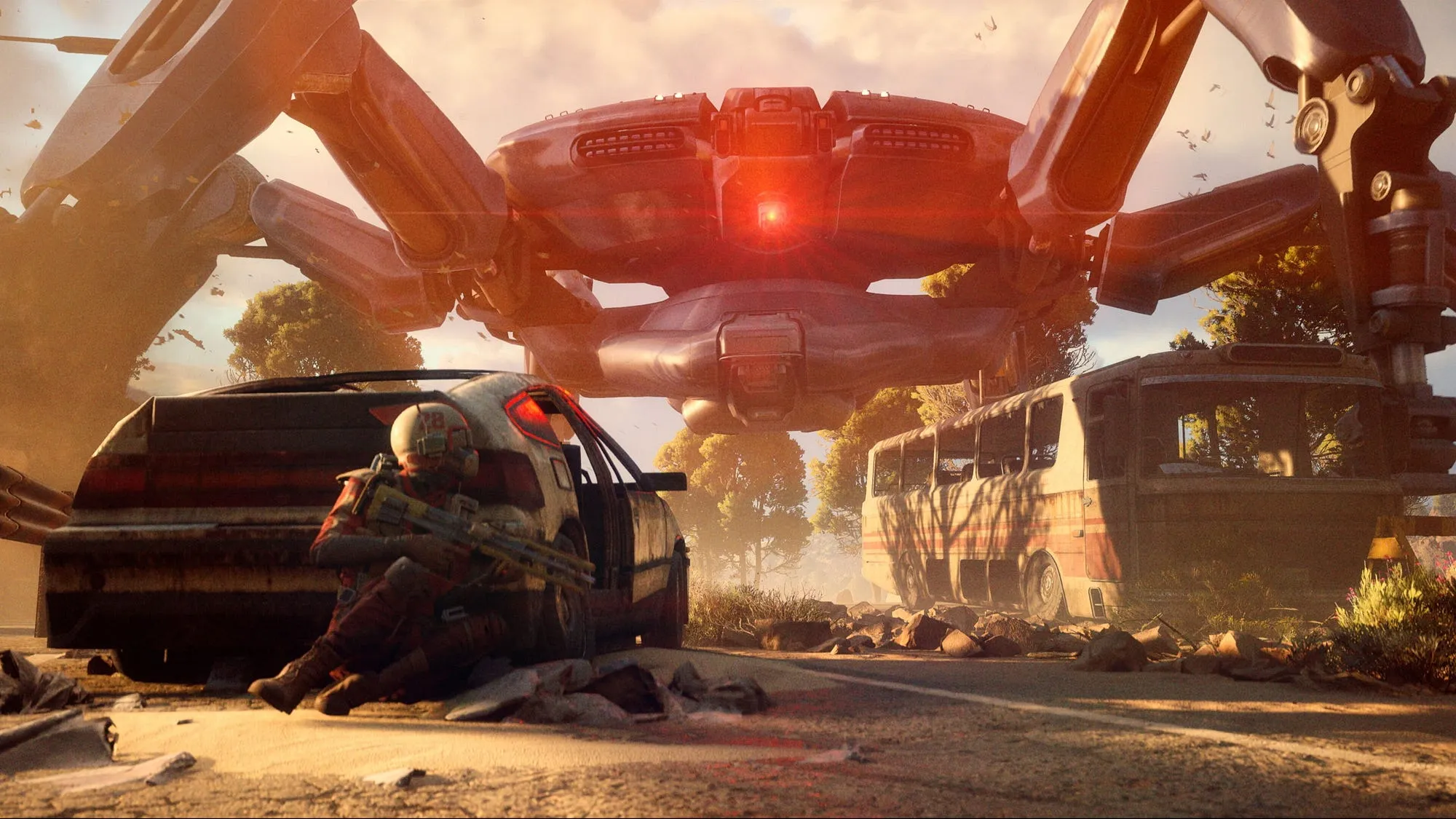
Most shooters try to reduce uncertainty. They give players clear audio cues, readable environments, predictable enemy behavior, and tactical options that help players feel in control. ARC Raiders does something very different. It leans into uncertainty, ambiguity, and threat, not as bugs or oversights, but as intentional pillars of its experience.
In ARC Raiders, fear doesn’t just exist at the moment you take damage. It lives in the world, in the environment, and in how encounters unfold.
This isn’t about jump scares or loud noises. It’s about tapping into something much more primal — the instinctive lack of safety that permeates hostile spaces.
The World Feels Alive, and Also Hostile
From the first moment you step out into ARC Raiders’ environment, the world feels unpredictable and dangerous. Machines patrol and hunt. Other players may be friendly or hostile. Environmental hazards lurk around every corner.
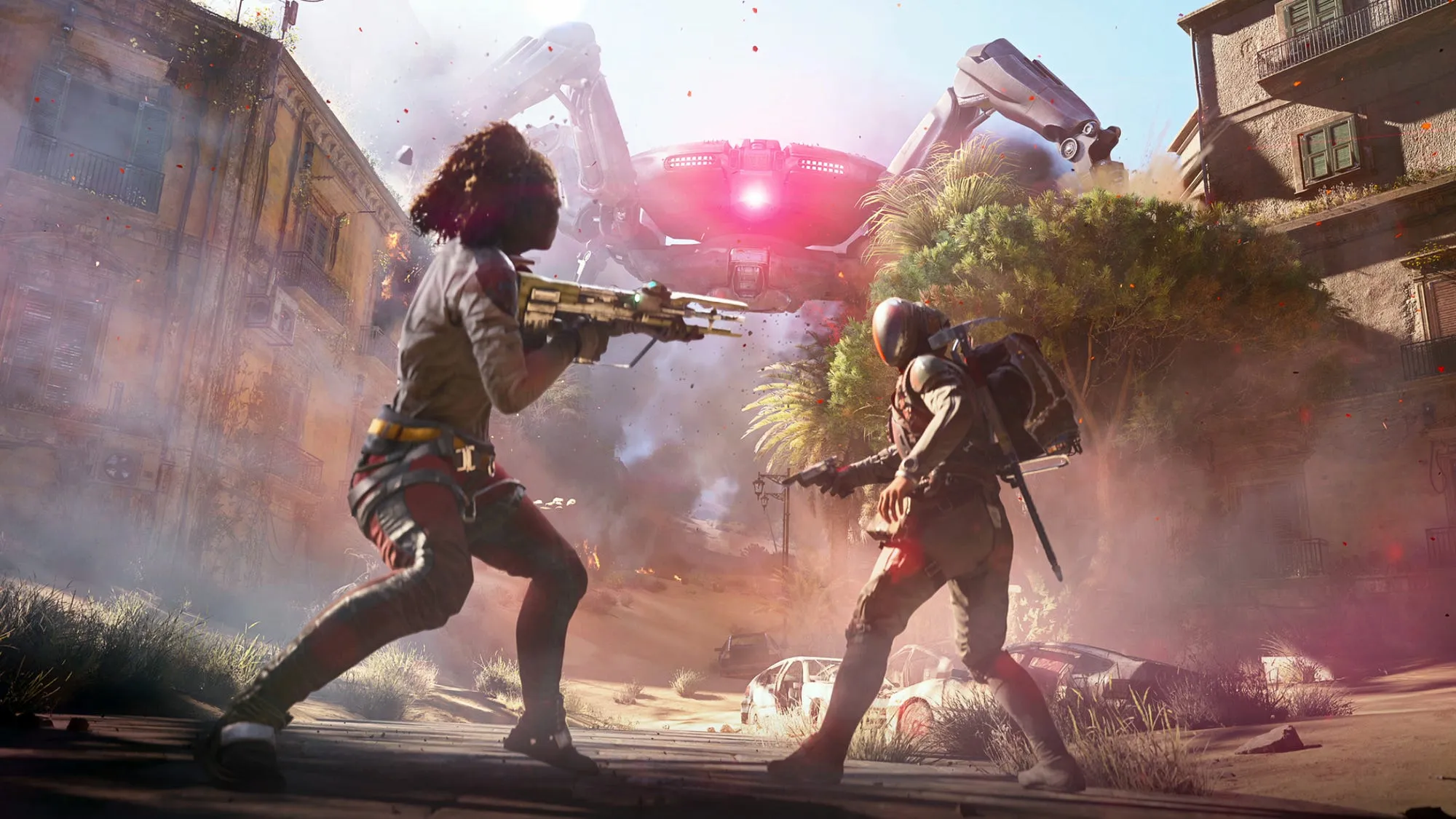
This design choice keeps players in a continuous state of alertness, which has two effects:
- You stay mentally engaged, not mechanically predictable.
- You feel like a survivor in a dangerous world, not a competitor in a controlled arena.
- The danger doesn’t pause — it just shifts forms.
In many games, hostile AI or PvP encounters are events. In ARC Raiders, they are states.
Combat as Tension, Not Just Conflict
In most PvPvE shooters, combat is a choice. You can decide when to fight, and often when to disengage. In ARC Raiders, combat is less a choice and more a necessity. Threats are everywhere. AI machines don’t retreat or hide; they hunt and provoke. Other players may join the chaos you didn’t ask for.
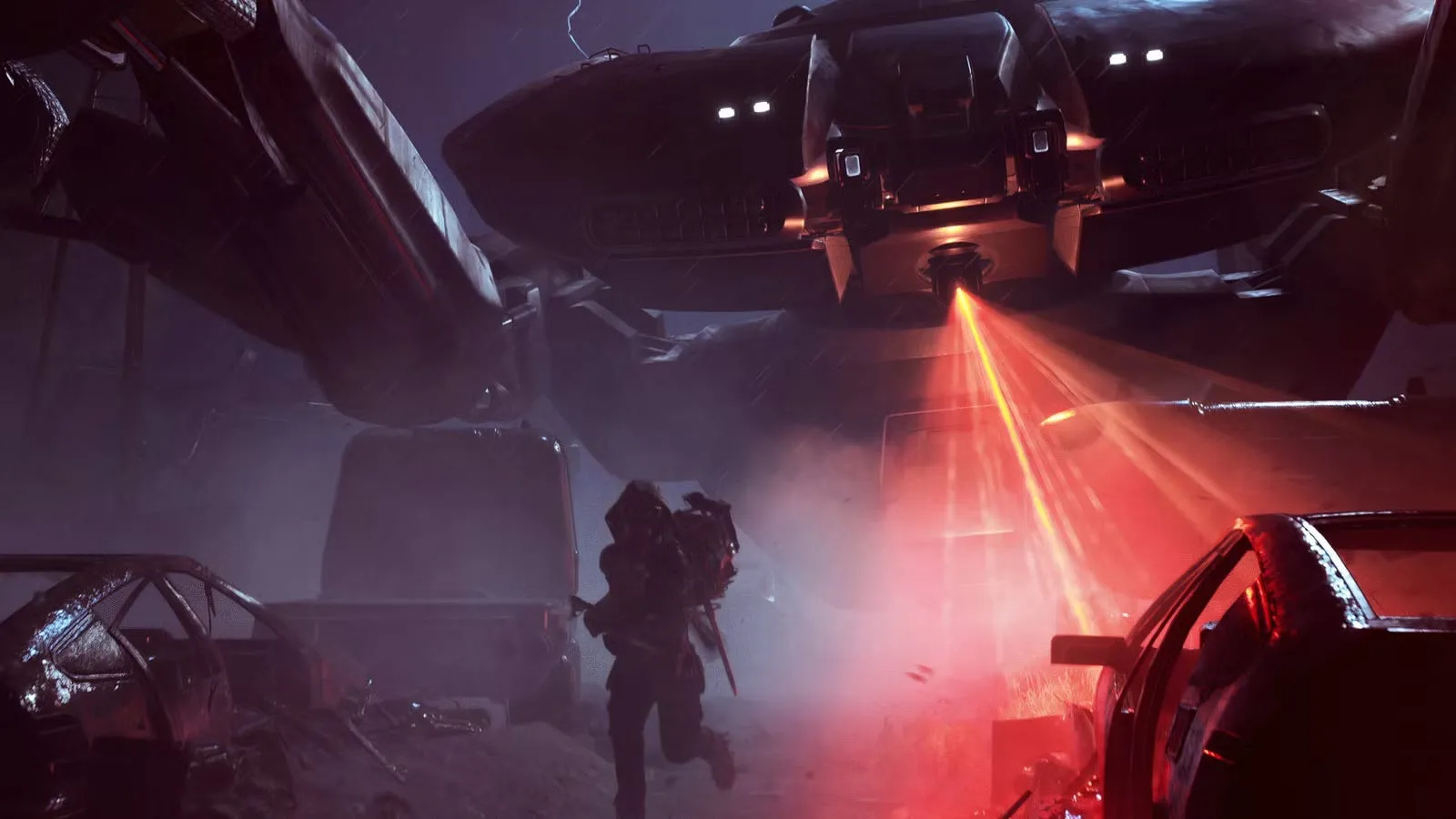
This creates an emotional flow where fear isn’t tied to a single moment of danger — it becomes a persistent psychological pressure.
- You don’t just fight enemies.
- You anticipate threats you can’t fully predict or control.
That uncertainty — the not knowing — is where ARC Raiders taps into something primal.
Humans are wired to respond strongly to ambiguity in dangerous environments. Our brains fill in gaps, imagine threats, and prepare for worst-case scenarios. ARC Raiders leverages this instinct, keeping players in a state of alertness that goes beyond tactical decision-making.
Emergent Tension Through Interaction
Another way ARC Raiders amplifies primal fear is through its PvPvE interactions.
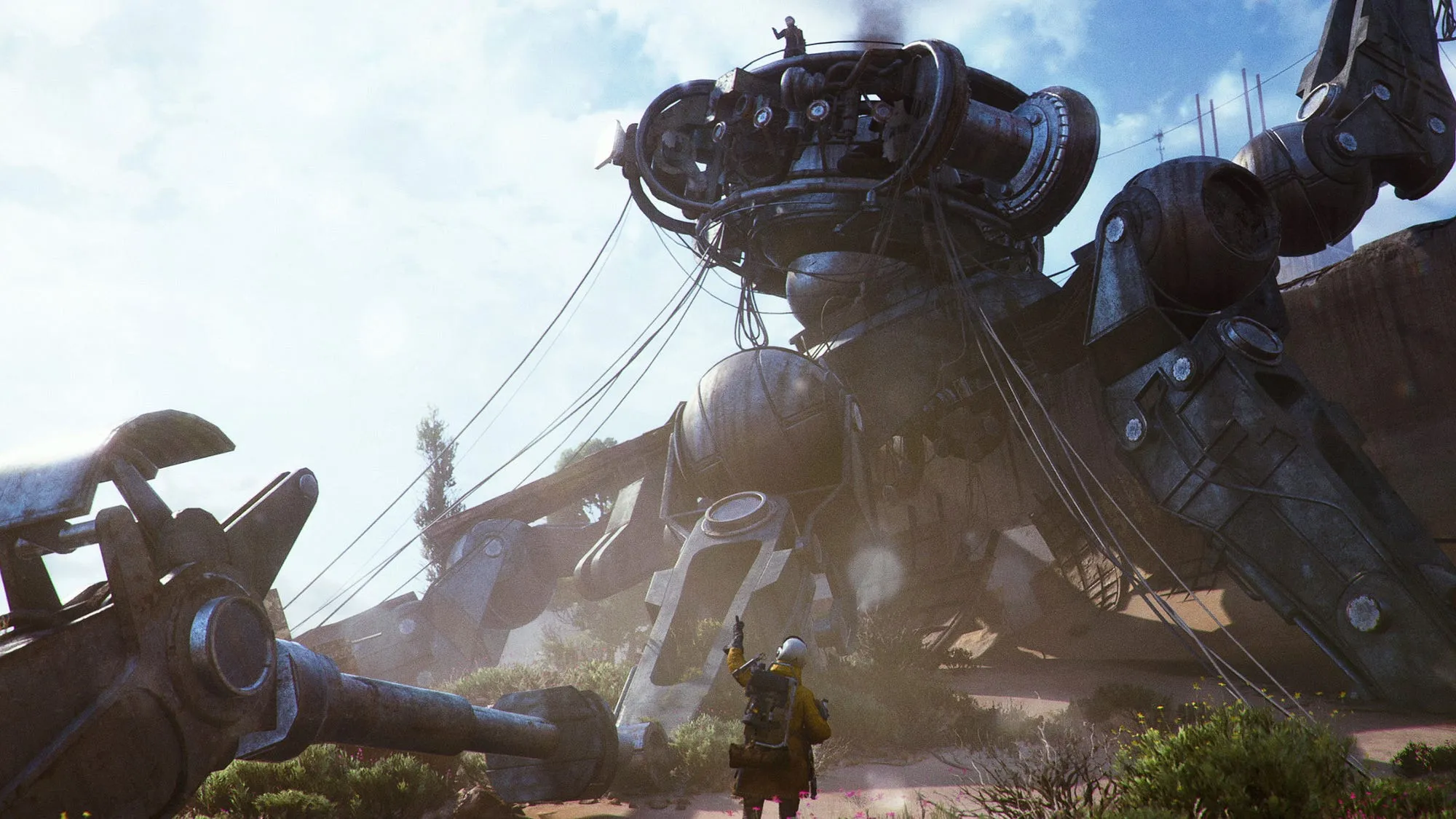
Enemies, machines, and even the environment itself do not feel scripted or predictable. Encounters often escalate without clear warning. What starts as a routine objective can quickly spiral into a multi-layered fight involving AI threats and rival players.
The fear here isn’t just that you can die — it’s that danger can come from anywhere and at any time.
That mirrors real-world survival instincts. In unpredictable situations, animals and humans alike freeze, overestimate risk, or experience heightened vigilance. ARC Raiders creates similar emotional responses without traditional horror mechanics or scripted scares.
Why This Matters for Players
Understanding how ARC Raiders uses fear helps explain why the experience feels so intense and memorable. It’s not just that the game is challenging — it’s that the game consistently triggers emotional engagement.
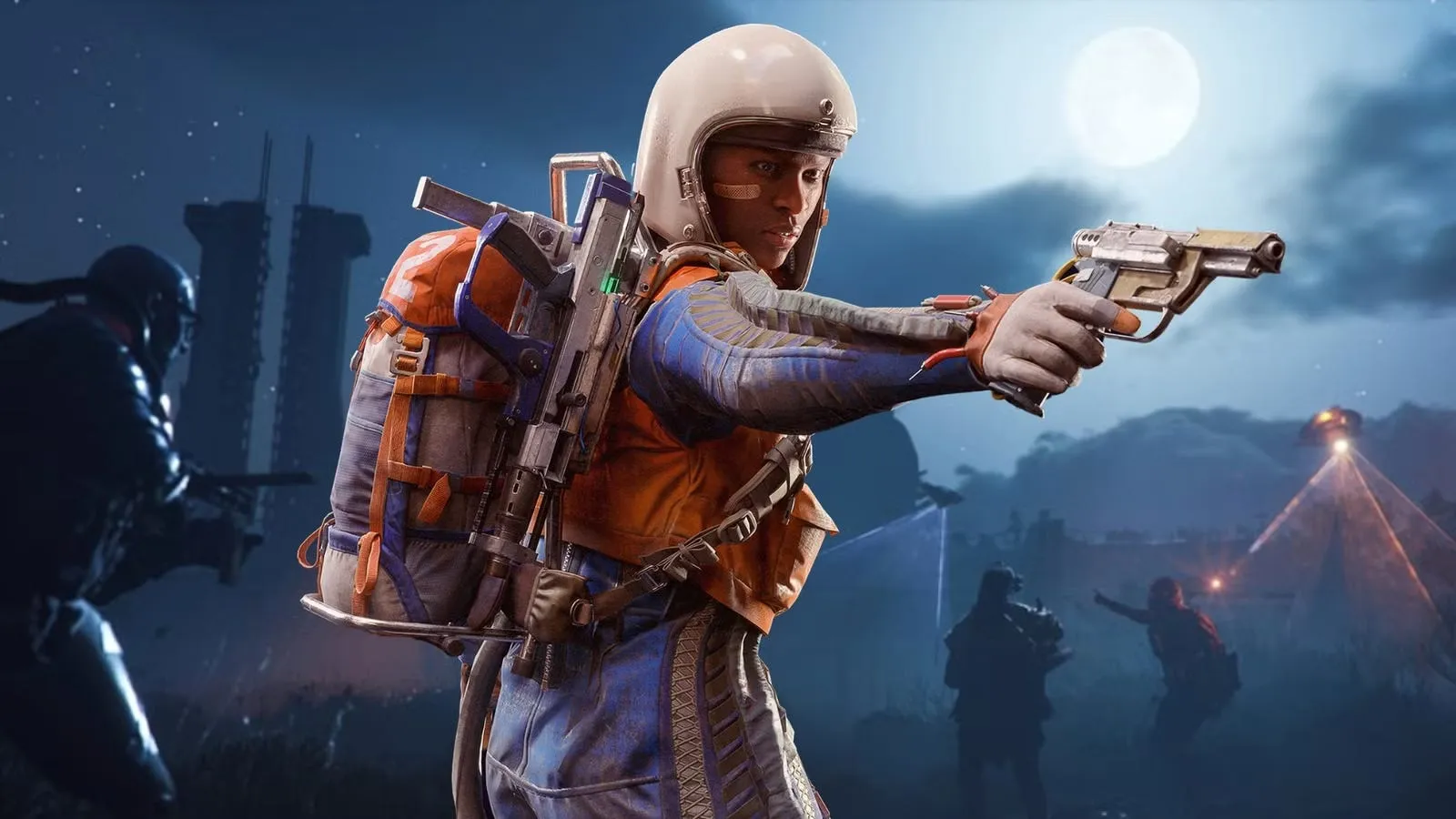
When you step into a zone filled with ARC machines, your brain isn’t just calculating threats — it’s processing uncertainty, anticipation, and survival instinct all at once.
This leads to moments that feel alive, unpredictable, and emotionally charged, making each successful extraction feel less like victory and more like relief.
Lessons for Game Designers
The way ARC Raiders uses primal fear offers valuable lessons for designers:
- Fear doesn’t require horror aesthetics. It can arise from uncertainty and ambiguity in systems.
- Environmental and enemy design can shape emotion as much as mechanics do.
- Player engagement increases when the world feels unpredictable rather than fully readable.
Instead of relying on clearly signposted cues, ARC Raiders intentionally blurs the lines between threat and safety. That blur keeps players mentally invested and emotionally responsive.
Conclusion: Fear as Experience, Not Just Tension
The magic of ARC Raiders isn’t simply that it’s difficult or chaotic — it’s that fear is woven into the fabric of its world. Players don’t just fight enemies. They fight the feeling of not knowing what’s next.
In doing so, the game creates a deeply immersive experience that goes beyond typical combat loops or extraction mechanics. It reveals fear not as a moment, but as a continuous state — one that makes every decision feel full of consequence, and every survival feel deeply personal.
And that’s why ARC Raiders doesn’t just make you fight.
It makes you feel.